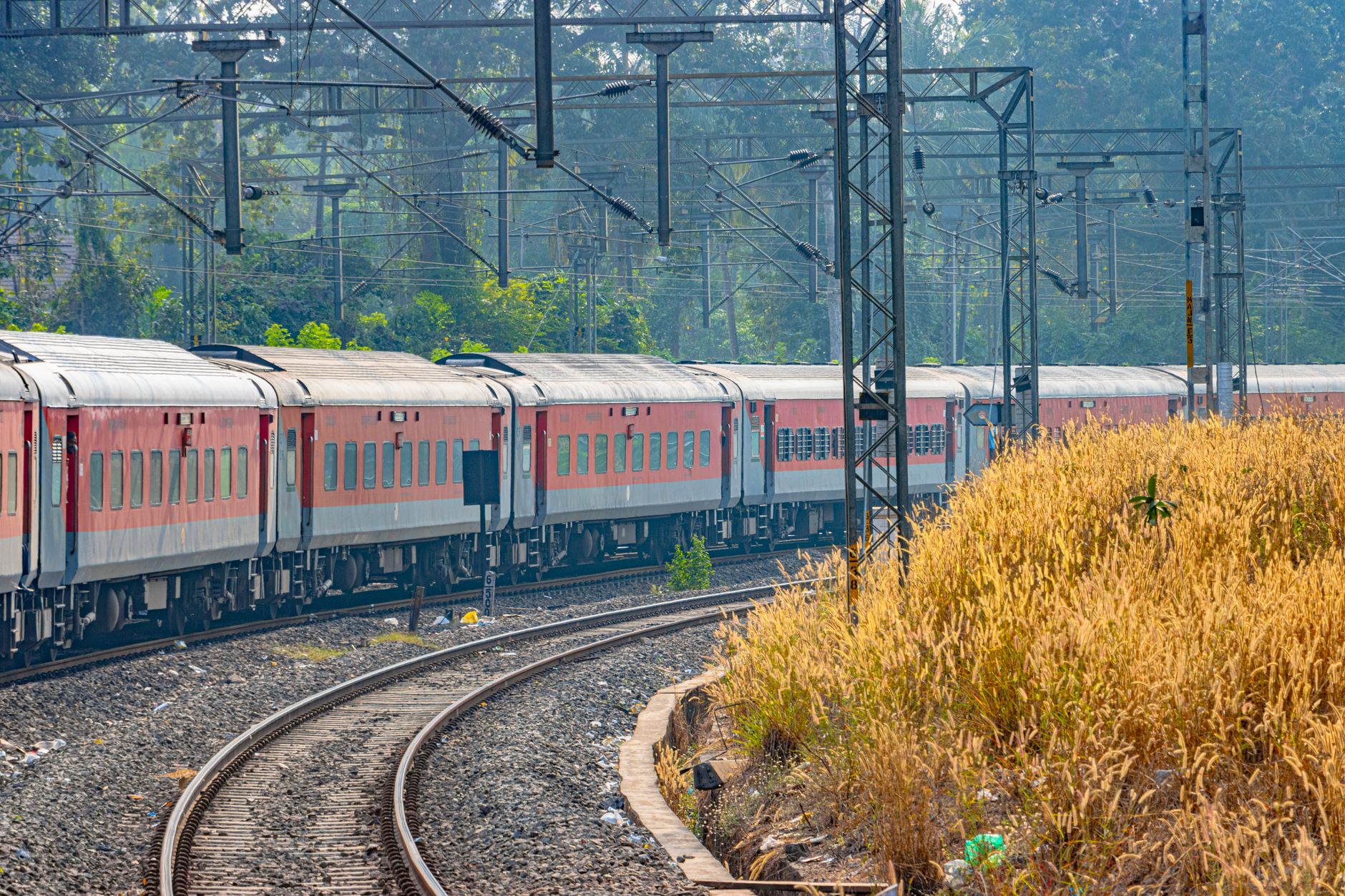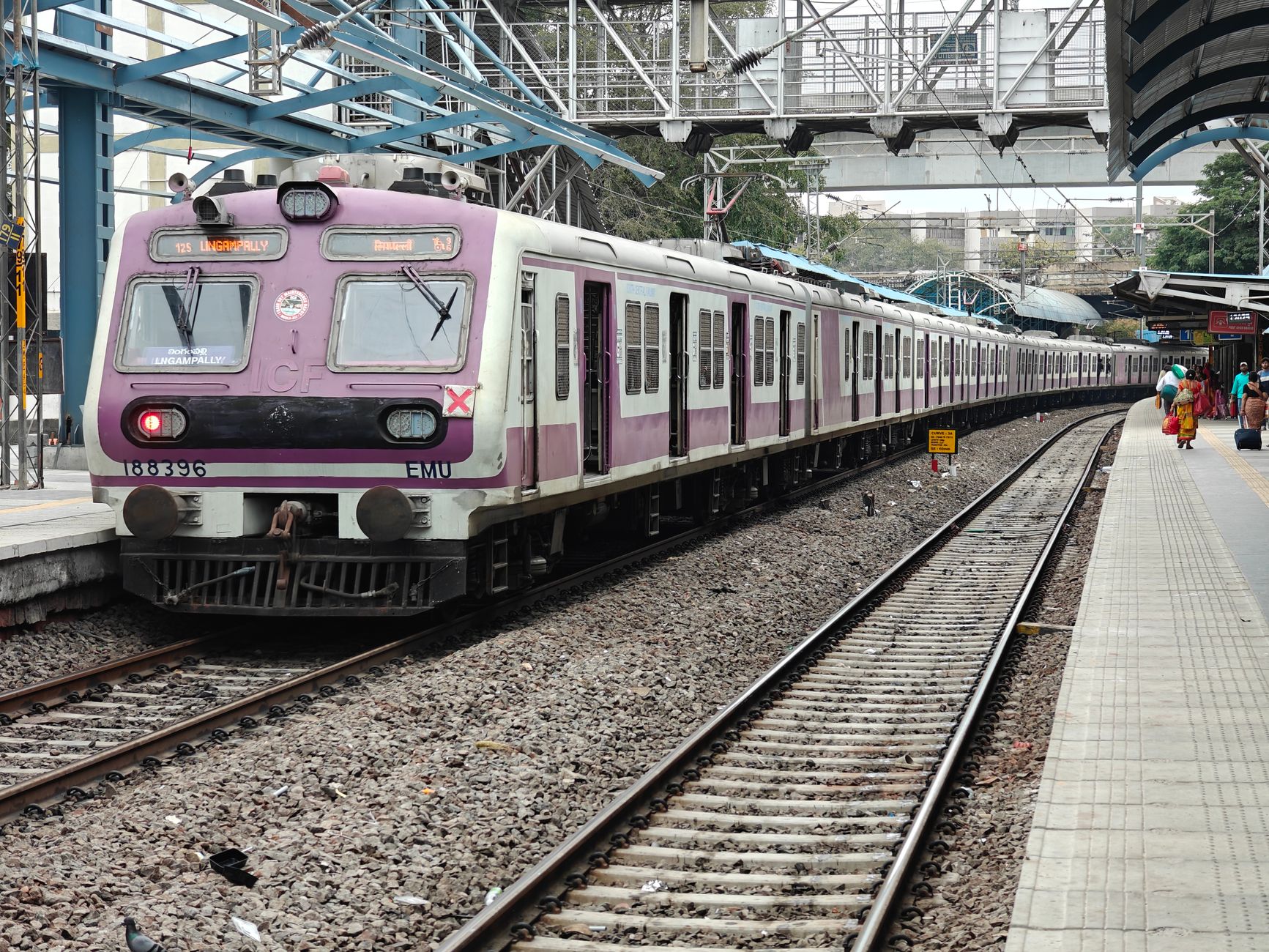
railway projects south India are set to receive a significant boost as the Cabinet has approved five major projects worth ₹10,021 Crore, aimed at improving connectivity and infrastructure.
Overview of the Railway Projects
The Cabinet has recently approved five significant railway projects in South India, which are expected to enhance connectivity and boost economic development across the region. With an estimated investment of ₹10,021 crore, these projects will facilitate multi-tracking over a distance of 540 kilometers.
The key objectives of the railway projects in South India include:
- Improving the efficiency of train operations by reducing congestion on existing lines.
- Enhancing the safety of rail travel through upgraded infrastructure and technology.
- Promoting regional development by better linking urban and rural areas.
- Facilitating faster movement of goods and passengers, thereby contributing to economic growth.
These initiatives align with the government’s vision of modernizing the Indian railway network and making it more competitive. The multi-tracking projects are expected to significantly decrease travel time and increase frequency of train services, making rail travel a more attractive option for commuters.
Stakeholders and local communities are optimistic about the potential benefits these railway projects in South India will bring, including job creation and improved access to markets and services. Overall, the approval of these projects marks a crucial step toward advancing railway infrastructure and fostering sustainable development in the region.
Details of the Approved Budget
The recent approval of railway projects in South India has garnered significant attention, particularly with a budget allocation of ₹10,021 crore dedicated to enhancing the region’s rail infrastructure. This investment aims to facilitate multi-tracking across a total distance of 540 kilometers, significantly improving connectivity and efficiency in the railway network.
Key aspects of the approved budget include:
- Infrastructure Upgrades: The projects will focus on upgrading existing railway lines to accommodate additional tracks, thereby reducing congestion and increasing the speed of train services.
- Safety Enhancements: Implementing modern safety features such as signaling systems and automated alerts to ensure passenger safety during transit.
- Economic Impact: The railway projects are expected to boost local economies by creating job opportunities and enhancing trade routes across South India.
- Environmental Considerations: Efforts will be made to minimize the ecological impact by utilizing sustainable practices in construction and operation.
Overall, these railway projects in South India are designed not only to improve transportation efficiency but also to foster economic growth and development in the region, demonstrating a commitment to modernizing the nation’s rail infrastructure.
Impact on South Indian Infrastructure
The recent approval of railway projects in South India is set to significantly enhance the region’s infrastructure. With an investment of ₹10,021 crore, these initiatives aim to improve connectivity and boost economic growth across multiple states.
As the railway network expands, several key benefits are expected:
- Enhanced Connectivity: The multi-tracking of 540 kilometers will facilitate quicker and more reliable travel, linking major cities and towns more effectively.
- Economic Growth: Improved railway infrastructure is anticipated to stimulate local economies by facilitating the movement of goods and services, thereby creating job opportunities.
- Environmental Benefits: Rail transport is generally more eco-friendly compared to road transport, which can lead to reduced carbon emissions in the region.
- Passenger Comfort: Upgraded facilities and services are expected to enhance the overall travel experience for commuters, making rail journeys more appealing.
Moreover, the focus on railway projects in South India aligns with the government’s broader vision of modernizing the nation’s infrastructure. With these developments, the region is poised to become a key player in India’s transportation landscape, ultimately benefiting millions of residents.
Timeline for Project Completion
The timeline for the completion of the railway projects in South India is set to unfold in several phases, ensuring that the transportation network is upgraded efficiently and effectively. According to the latest announcements, the multi-tracking efforts across 540 kilometers are scheduled to be completed within a five-year period.
The key milestones for the project completion have been outlined as follows:
- Phase 1: Initial Survey and Planning – Expected to conclude by the end of the first year, this phase will focus on detailed surveys and project planning.
- Phase 2: Land Acquisition – Land acquisition for the railway projects in South India is anticipated to start in the second year and be completed by the end of that year.
- Phase 3: Construction Begins – Construction work on the railway lines will commence in the third year, with a target to finish major structural works by the end of year four.
- Phase 4: Testing and Commissioning – The final phase will involve testing the new railway lines, projected to take place in the fifth year.
Stakeholders are optimistic that these timelines will be adhered to, leading to enhanced connectivity and economic growth in the region.
Benefits of Multi-Tracking
The recent approval of various railway projects in South India is set to bring numerous benefits, particularly with the introduction of multi-tracking systems. This significant upgrade is expected to enhance the overall efficiency of the railway network.
One of the primary advantages of multi-tracking is the increased capacity for trains. By adding additional tracks, the railways can accommodate a higher number of trains running simultaneously, thereby reducing congestion and minimizing delays. This improvement will lead to a more reliable travel experience for passengers and freight services alike.
Furthermore, multi-tracking enhances safety. With separate tracks for different directions, the risk of accidents decreases, allowing for smoother operations. This system also promotes faster travel times, as trains can maintain higher speeds without the concern of meeting oncoming traffic.
Additionally, the implementation of these railway projects will support economic growth in the region. Improved railway infrastructure is likely to attract more businesses and investments, ultimately contributing to job creation and local development.
In summary, the railway projects in South India not only promise to revolutionize the transportation sector but also play a pivotal role in advancing the region’s economic landscape. The focus on multi-tracking is a significant step towards achieving these goals.
Challenges in Implementation
The approval of railway projects in South India, while a significant step towards enhancing infrastructure, is not without its challenges. Effective implementation is crucial for ensuring that these ambitious plans translate into reality.
One major challenge involves land acquisition. Securing land for railway expansion often leads to disputes and delays, especially in densely populated areas. The government must navigate these complexities while ensuring fair compensation for affected residents.
Additionally, environmental concerns pose another layer of difficulty. Projects must comply with various environmental regulations, which can slow down progress. Thorough assessments and mitigation strategies are necessary to address the potential impact on local ecosystems.
Another issue is the coordination among different government agencies. Streamlined communication and collaboration are essential to avoid bureaucratic hurdles that could stall project timelines.
Moreover, technical challenges related to multi-tracking require skilled labor and advanced technology, which may not always be readily available. Ensuring that the workforce is adequately trained will be vital for the successful implementation of these railway projects in South India.
In summary, while the ₹10,021 crore investment highlights the government’s commitment to improving rail infrastructure, overcoming these challenges will be pivotal for realizing the full benefits of the approved projects.
Community Response to the Projects
The recent approval of railway projects in South India has sparked a wave of enthusiasm among local communities and stakeholders. Many residents are expressing optimism about the potential benefits these initiatives could bring to their regions.
Community leaders have emphasized the importance of improved rail connectivity, citing that it can lead to:
- Job Creation: Increased railway infrastructure is expected to generate numerous job opportunities during both construction and operational phases.
- Economic Growth: Enhanced connectivity can boost local economies by facilitating easier access to markets and resources.
- Environmental Benefits: Rail transport is generally more environmentally friendly compared to road transport, contributing to reduced carbon emissions.
Residents are particularly excited about the multi-tracking aspect of the projects. “This will not only reduce travel time but also enhance safety on our railway lines,” said a local merchant. Community feedback sessions have shown overwhelming support for the railway projects, with many voicing a desire for better integration of services and facilities to accommodate the expected increase in passenger numbers.
As the government moves forward with executing these railway projects in South India, community involvement and feedback will remain crucial. Stakeholders are hopeful that their voices will be heard throughout the implementation process.
Future Railway Developments in India
The future of railway developments in South India looks promising following the recent approval of railway projects worth ₹10,021 crore. These initiatives aim to enhance connectivity and improve the overall efficiency of the railway network across the region.
With a focus on multi-tracking, the projects will cover approximately 540 kilometers, allowing for increased train frequencies and reduced travel times. This development is expected to significantly boost the economic landscape by facilitating better access to markets and resources.
Key features of the railway projects include:
- Enhanced Capacity: The introduction of additional tracks will enable the movement of more trains, accommodating the rising passenger and freight demands.
- Technological Advancements: Modern signaling systems will be integrated to ensure safer and more efficient train operations.
- Environmental Considerations: The projects will incorporate eco-friendly practices to minimize the ecological footprint.
As the railway projects in South India progress, they are poised to transform the transportation landscape, making travel more convenient for millions. Stakeholders remain optimistic, believing that these developments will not only improve connectivity but also foster regional development and economic growth.
The approval of these railway projects south India marks a significant investment in the region’s infrastructure. With a total worth of ₹10,021 crore, these railway projects south India are expected to enhance connectivity and boost the local economy.
Photo by Viswanath Vadapalli on Pexels