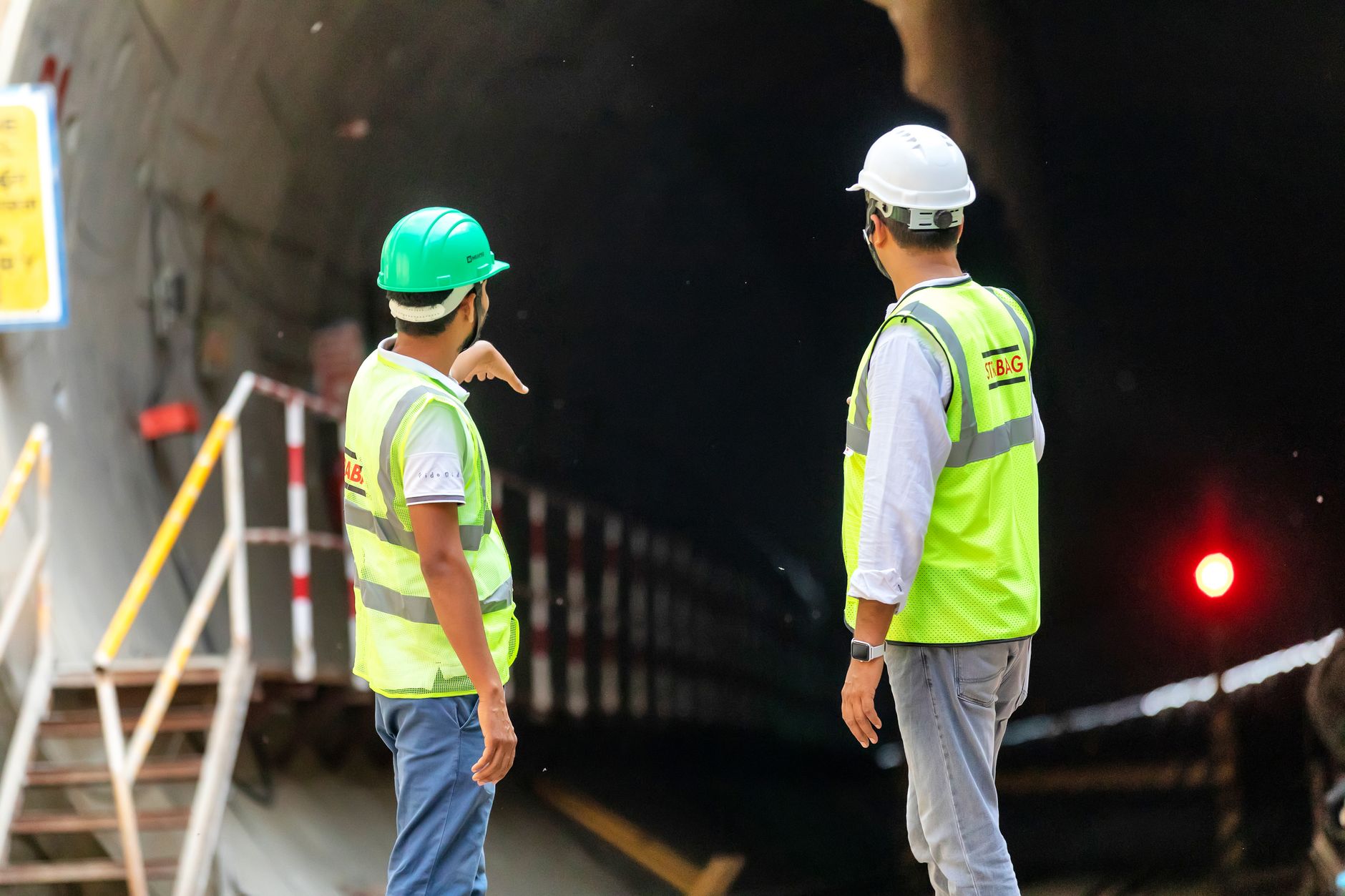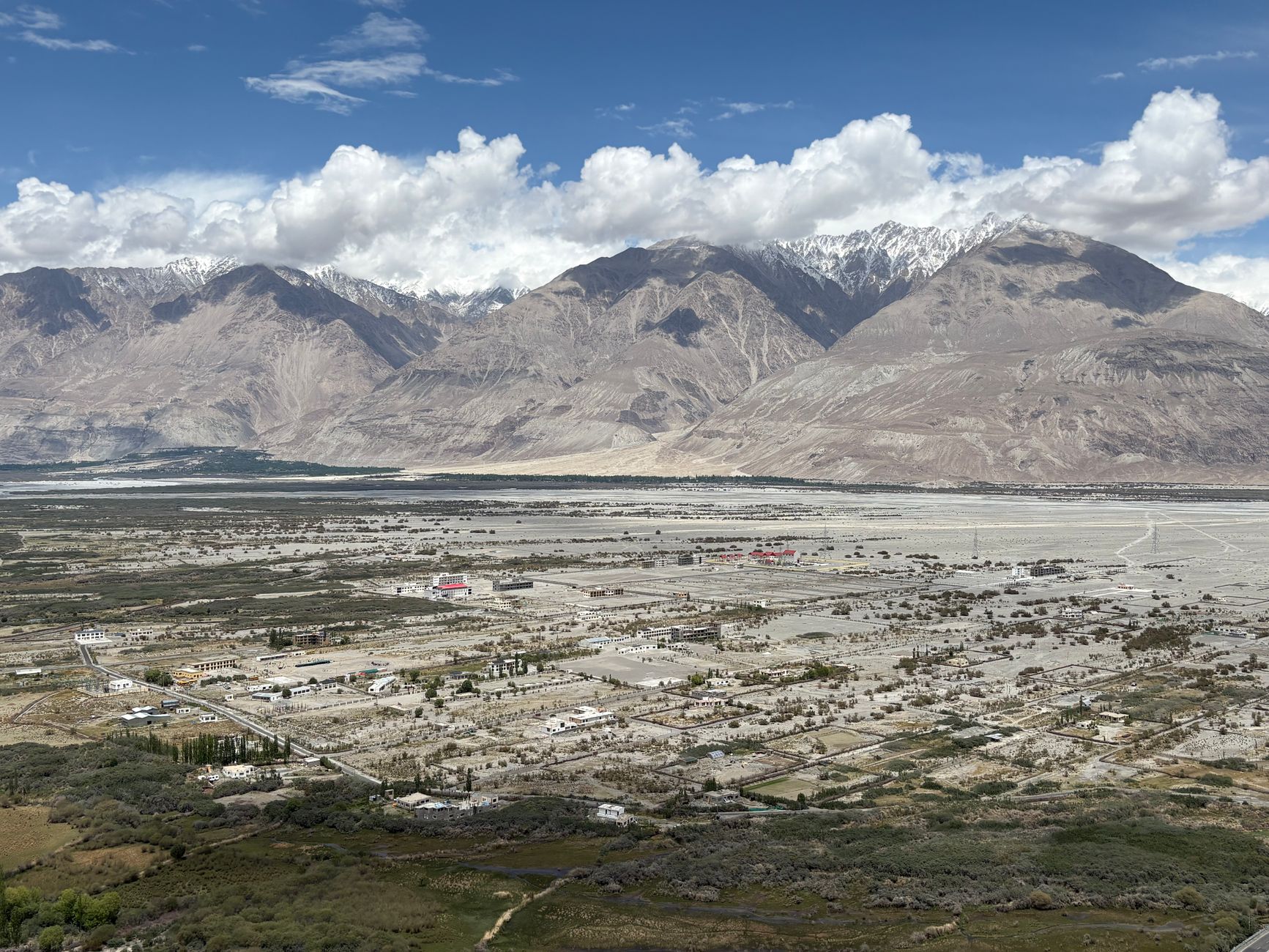
Infrastructure projects in Ladakh are being inaugurated by PM Modi, marking a significant investment of ₹3,350 crore aimed at enhancing regional development and connectivity.
Overview of the Infrastructure Projects
The recent inauguration of infrastructure projects in Ladakh by Prime Minister Modi has sparked significant interest and optimism in the region. With an investment of ₹3,350 crore, these initiatives aim to bolster the development and connectivity of Ladakh, which has been seeking modernization and growth.
Among the key projects launched are:
- Road Connectivity Enhancements: Improved road networks will ensure better access to remote areas, facilitating trade and tourism.
- Power Supply Initiatives: The introduction of renewable energy sources aims to provide sustainable power, reducing reliance on traditional energy forms.
- Water Supply Systems: Enhanced infrastructure for water distribution will address the essential needs of the local population and support agriculture.
- Telecommunication Upgrades: Expanding telecommunication services will improve connectivity for residents and businesses alike.
These infrastructure projects in Ladakh are designed not only to enhance the quality of life for residents but also to attract investments and promote tourism. By focusing on sustainable development, the government is paving the way for a prosperous future for this strategically important region.
Significance of PM Modi’s Visit
Prime Minister Narendra Modi’s recent visit to Ladakh marks a significant milestone in the region’s development journey. The inauguration of ₹3,350 crore worth of infrastructure projects in Ladakh highlights the government’s commitment to enhancing connectivity and boosting the local economy. These infrastructure projects in Ladakh are not merely about physical structures; they symbolize a broader vision for sustainable growth and development.
During his visit, PM Modi emphasized the importance of improving transportation networks, which will facilitate better access to remote areas. This initiative is expected to promote tourism, create job opportunities, and encourage local businesses to thrive. The projects include roads, bridges, and other essential facilities that will connect Ladakh more effectively with the rest of the country.
Moreover, the focus on environmentally friendly practices in these infrastructure projects is noteworthy. By promoting green technology and sustainable methods, the government aims to protect Ladakh’s unique ecosystem while fostering economic growth. This dual approach not only addresses immediate needs but also lays the groundwork for long-term development.
As Ladakh continues to evolve, the significance of these initiatives cannot be overstated; they are crucial for ensuring a brighter future for the region and its inhabitants.
Economic Impact of Investments
The recent inauguration of ₹3,350 crore infrastructure projects in Ladakh by PM Modi marks a significant milestone for the region’s economic development. These investments are expected to have a profound impact on the local economy, fostering growth and enhancing connectivity.
One of the primary benefits of these infrastructure projects in Ladakh is the improvement in transportation networks. Enhanced roads and rail links will not only facilitate easier movement of goods and people but also attract tourism, which is a vital part of the region’s economy. As accessibility increases, local businesses stand to gain from the influx of visitors, leading to job creation and economic diversification.
Moreover, investments in power and water supply infrastructure will ensure that local communities have reliable access to essential services. This can lead to improved quality of life and encourage further investment in education and healthcare sectors.
Furthermore, these projects align with the government’s broader vision of sustainable development, promoting both economic growth and environmental conservation. As the region flourishes, it can serve as a model for other underdeveloped areas, showcasing the potential benefits of targeted infrastructure investments.
Local Reactions to New Projects
Local reactions to the recent inauguration of ₹3,350 crore infrastructure projects in Ladakh have been largely positive, with residents expressing hope for enhanced connectivity and economic development. Many locals believe that these infrastructure projects in Ladakh will significantly improve their quality of life and create new job opportunities.
Community members gathered to discuss the potential benefits of these developments. Ravi Kumar, a local shop owner, stated, “This investment is crucial for our future. With better roads and facilities, we can attract more tourists and boost our businesses.”
- Increased Accessibility: Residents are optimistic about improved access to remote areas, which could lead to better healthcare and education services.
- Economic Growth: Many believe that the projects will stimulate local economies by creating jobs in construction and related sectors.
- Environmental Concerns: While excitement is high, some locals express worries about the environmental impact of large-scale projects.
Overall, the sentiment in Ladakh is one of cautious optimism, as the community looks forward to the tangible benefits these infrastructure projects may bring in the coming years.
Timeline for Project Completion
The timeline for the completion of infrastructure projects in Ladakh has been carefully outlined to ensure timely delivery and optimal progress. The government aims to enhance connectivity and facilitate economic growth through several key milestones.
Among the major projects, the construction of new roads and bridges is set to commence in early 2024, with an expected completion date by the end of 2025. This initiative is crucial for improving access to remote areas and promoting tourism.
Additionally, the expansion of the airport infrastructure is projected to be completed by mid-2025. This upgrade is vital for accommodating increased air traffic, especially with the anticipated influx of tourists and business travelers.
Furthermore, the development of renewable energy projects, particularly solar and wind energy facilities, is planned to begin in late 2024, with operations expected to start by 2026. This move will not only address local energy needs but also contribute to sustainable development in the region.
In summary, the timeline for these infrastructure projects in Ladakh reflects a commitment to rapid development, aligning with the broader goals of economic enhancement and connectivity in the region.
Challenges in Ladakh’s Development
Despite the potential benefits of the recent infrastructure projects in Ladakh, several challenges threaten their successful implementation and sustainability. One major concern is the region’s unique topography, which presents logistical difficulties in transportation and construction. The rugged terrain can lead to delays in project timelines and increased costs.
Another challenge is the harsh climatic conditions that Ladakh experiences, especially during winter months. Heavy snowfall can halt construction activities, making it crucial for project planners to consider seasonal weather patterns when scheduling work.
Additionally, there are socio-economic challenges. The local population may face disruptions in their daily lives during the construction phase, which could lead to resistance against these infrastructure projects in Ladakh. Engaging local communities through consultations and involving them in the decision-making process is essential to mitigate these tensions.
Furthermore, ensuring that the infrastructure developed is environmentally sustainable poses another significant challenge. The delicate ecosystem of Ladakh requires that any development be carefully planned to minimize ecological impact while maximizing benefits to the local population.
Addressing these challenges effectively is vital to ensuring that the investments made lead to long-term growth and development in the region.
Future Infrastructure Plans
As the government pushes forward with its commitment to enhance connectivity and development, several future infrastructure plans are set to reshape the landscape of Ladakh. The recent inauguration of ₹3,350 crore infrastructure projects by PM Modi marks just the beginning of an ambitious roadmap aimed at fostering growth in this strategically significant region.
Among the key initiatives on the horizon are:
- Road Expansion Projects: Plans to widen existing roads and construct new highways are expected to improve access to remote areas, facilitating trade and tourism.
- Air Connectivity Enhancements: Expansions at Leh Airport and the introduction of new flight routes will aim to boost tourism and connect Ladakh with major cities across India.
- Green Energy Initiatives: Investments in solar and hydropower projects are being prioritized to ensure sustainable energy solutions for local communities.
- Telecommunication Upgrades: Improving internet connectivity is crucial for attracting businesses and supporting local enterprises in the digital age.
These future infrastructure projects in Ladakh are poised to not only stimulate economic growth but also enhance the quality of life for residents, paving the way for a brighter future in this breathtaking region.
Conclusion and Takeaways
In conclusion, the ongoing infrastructure projects in Ladakh represent a significant investment in the region’s future, poised to catalyze economic growth and enhance connectivity. The inaugural ceremony led by PM Modi, which marked the launch of ₹3,350 crore in infrastructure investments, underscores the central government’s commitment to the development of this strategically important area.
The significance of these projects cannot be overstated, as they aim to address critical challenges such as transportation, energy supply, and overall accessibility. Local reactions have largely been positive, with residents expressing optimism about the potential benefits, including job creation and improved living standards. However, the path ahead is not without obstacles, as geographical and climatic challenges continue to pose risks to timely project completion.
Looking forward, it is clear that the focus on infrastructure projects in Ladakh is not a short-term endeavor but part of a broader vision to integrate the region into the national economy. The successful implementation of these initiatives will likely set a precedent for future developments, ultimately transforming Ladakh into a hub of activity and growth.
As stakeholders continue to navigate the complexities of this ambitious undertaking, the collective efforts will be crucial in realizing the full potential of Ladakh’s infrastructure landscape.
Photo by Raman Shukla on Pexels