self-driving cars could significantly impact the real estate market in Seoul. This innovative technology may help narrow the subway-station price gap, making urban living more accessible.
Understanding the Subway-Station Price Gap
The subway system in Seoul is known for its efficiency, yet disparities in pricing among different stations have raised concerns. Understanding this subway-station price gap is crucial for addressing transportation equity. Factors contributing to these differences include:
- Location: Stations situated in affluent neighborhoods often have higher prices, reflecting demand.
- Accessibility: Areas with limited public transport options face higher prices, leading to a disparity for residents.
- Development: Ongoing urban development can increase station prices, impacting nearby neighborhoods.
As the discussion around self-driving cars gains traction, experts suggest that these autonomous vehicles could provide an innovative solution to bridge the subway-station price gap. By enhancing connectivity and offering affordable alternatives, self-driving cars may help alleviate some of the financial burdens faced by commuters in less accessible areas.
How Self-Driving Cars Work
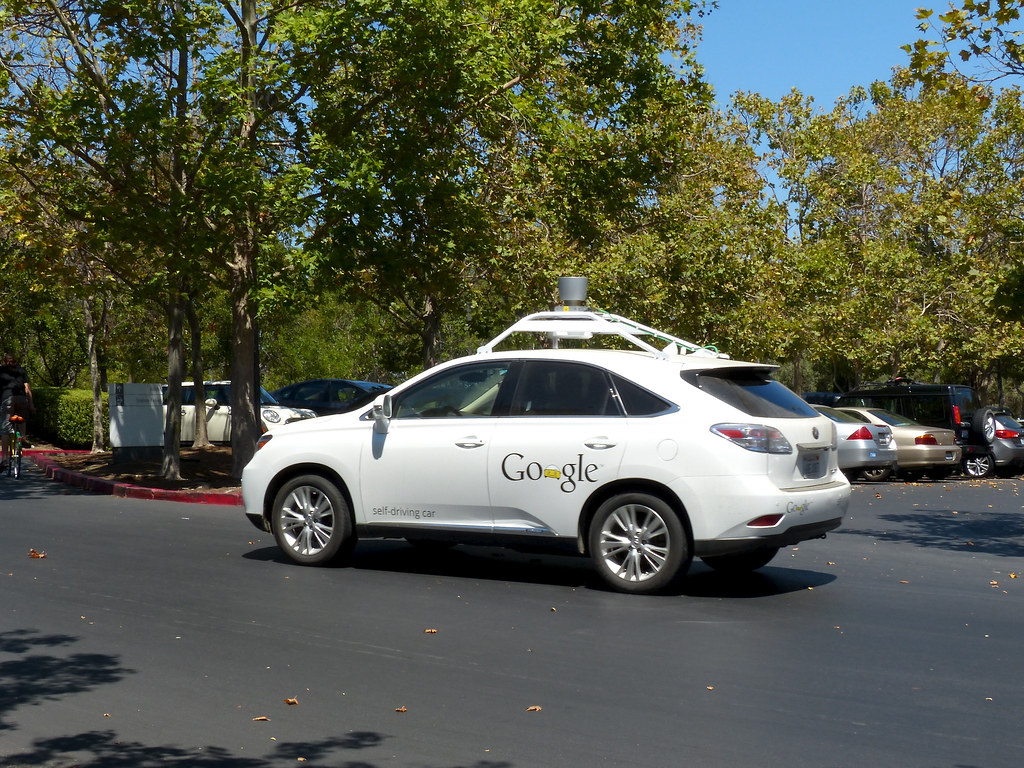
Self-driving cars, also known as autonomous vehicles, utilize a combination of sensors, cameras, and advanced algorithms to navigate and operate without human intervention. These vehicles rely on artificial intelligence to interpret data from their surroundings, allowing them to make real-time decisions on the road.
Key components of self-driving technology include:
- Sensors: These collect data on the vehicle’s environment, detecting obstacles, other vehicles, and traffic signals.
- Mapping: Autonomous cars use detailed maps to understand their location and plan routes efficiently.
- Machine Learning: This technology enables the vehicle to learn from past experiences and improve its driving capabilities over time.
As cities like Seoul explore innovative solutions to address transportation gaps, self-driving cars present a promising alternative to traditional public transit systems.
Economic Benefits of Self-Driving Cars
The introduction of self-driving cars in Seoul presents several economic benefits that could significantly impact the city’s transit landscape. These vehicles offer a promising solution to the existing subway-station price gap by enhancing accessibility for residents in less connected areas.
Among the key advantages are:
- Reduced Transportation Costs: Self-driving cars could lower the overall cost of commuting for residents, as they eliminate the need for expensive taxi services or long public transportation journeys.
- Increased Property Values: Areas previously deemed less desirable due to limited subway access may see a rise in property values as self-driving cars make them more connected.
- Job Creation: The development and maintenance of self-driving technology could create new job opportunities in the tech and automotive sectors.
In conclusion, self-driving cars could play a pivotal role in bridging the subway-station price gap, making urban mobility more equitable for all residents of Seoul.
Challenges Facing Self-Driving Technology
While self-driving cars present a promising solution to the transportation challenges in Seoul, several hurdles must be addressed before they can be fully integrated into the city’s infrastructure. One of the primary concerns is safety. Although autonomous vehicles are designed to reduce accidents, the technology is still being perfected, and there have been incidents that raise questions about their reliability.
Furthermore, regulatory challenges pose significant obstacles. The existing legal framework may not support the widespread adoption of self-driving cars, necessitating new policies and procedures to ensure their safe operation on public roads.
Additionally, public perception plays a critical role. Many residents are skeptical about the effectiveness of self-driving technology, which can hinder acceptance and integration efforts. To bridge the subway gap effectively, it is essential for authorities to address these challenges and promote understanding of the benefits of self-driving cars.
Potential Impact on Property Values
The introduction of self-driving cars in Seoul could significantly influence property values, particularly in areas underserved by the subway system. As autonomous vehicles become more prevalent, they are expected to enhance accessibility, making previously isolated neighborhoods more attractive to potential buyers.
Several factors may contribute to the shifting landscape of property values:
- Increased Accessibility: Self-driving cars could provide residents with convenient transportation options, reducing reliance on the subway.
- Enhanced Mobility: Areas that were once considered less desirable may experience a surge in demand as travel times decrease.
- Urban Development: The popularity of autonomous vehicles may prompt new investments in local infrastructure, further boosting property values.
Ultimately, the rise of self-driving cars could play a crucial role in narrowing the subway-station price gap, reshaping the dynamics of urban real estate in Seoul.
Comparing Global Trends in Transportation
As cities worldwide grapple with transportation challenges, the rise of self-driving cars presents a compelling solution. In many urban areas, autonomous vehicles are being integrated into existing public transit systems, enhancing accessibility and connectivity. For instance, cities like San Francisco and Tokyo have begun testing self-driving shuttles to bridge gaps in their transportation networks.
Globally, the trend toward automation in public transit is gaining momentum. Key factors driving this trend include:
- Increased efficiency in commuting times
- Reduction in traffic congestion
- Enhanced safety for passengers
As Seoul evaluates its transportation strategies, the implementation of self-driving cars could significantly address the subway-station price gap, making commutes more affordable and convenient for residents. Ultimately, the integration of autonomous vehicles may redefine urban mobility.
Future of Urban Mobility in Seoul
The future of urban mobility in Seoul is increasingly intertwined with the rise of self-driving cars. As the city grapples with the disparity between subway access and property prices, autonomous vehicles present a promising solution. These self-driving cars could enhance connectivity in underserved areas, offering residents an alternative to traditional public transport.
Furthermore, the integration of self-driving cars into Seoul’s transportation ecosystem could lead to a more efficient urban landscape. Key benefits include:
- Reduced Congestion: By providing on-demand transport options, self-driving cars can help alleviate traffic in busy areas.
- Accessibility: They may serve those living far from subway stations, bridging the gap in mobility.
- Environmental Impact: A shift towards electric self-driving vehicles could reduce emissions, contributing to a cleaner city.
Ultimately, embracing self-driving technology could reshape how residents navigate Seoul, making urban mobility more inclusive and efficient.
Government Regulations and Self-Driving Cars
The integration of self-driving cars into urban mobility strategies is contingent upon comprehensive government regulations. As cities like Seoul explore the potential of autonomous vehicles, the regulatory framework must evolve to address safety, liability, and insurance concerns.
Key aspects of these regulations may include:
- Safety Standards: Establishing rigorous testing and safety protocols to ensure public confidence in self-driving technology.
- Operational Guidelines: Defining where and how self-driving cars can operate within urban environments.
- Liability Issues: Clarifying accountability in case of accidents involving autonomous vehicles.
Additionally, public acceptance will significantly influence regulatory decisions. Policymakers must strike a balance between innovation and public safety to create a sustainable transportation ecosystem that can effectively bridge the subway gap in Seoul.
By *rboed* via Openverse
Read the original
Seoul Economic Daily · Self-driving car
You might also like
Is Chembur’s Premium Housing the Best Investment for You? · PM-ABHIM health projects: Quick Guide to Proven Benefits · Is the Poolside Paradise expansion the Best Hotel Upgrade?