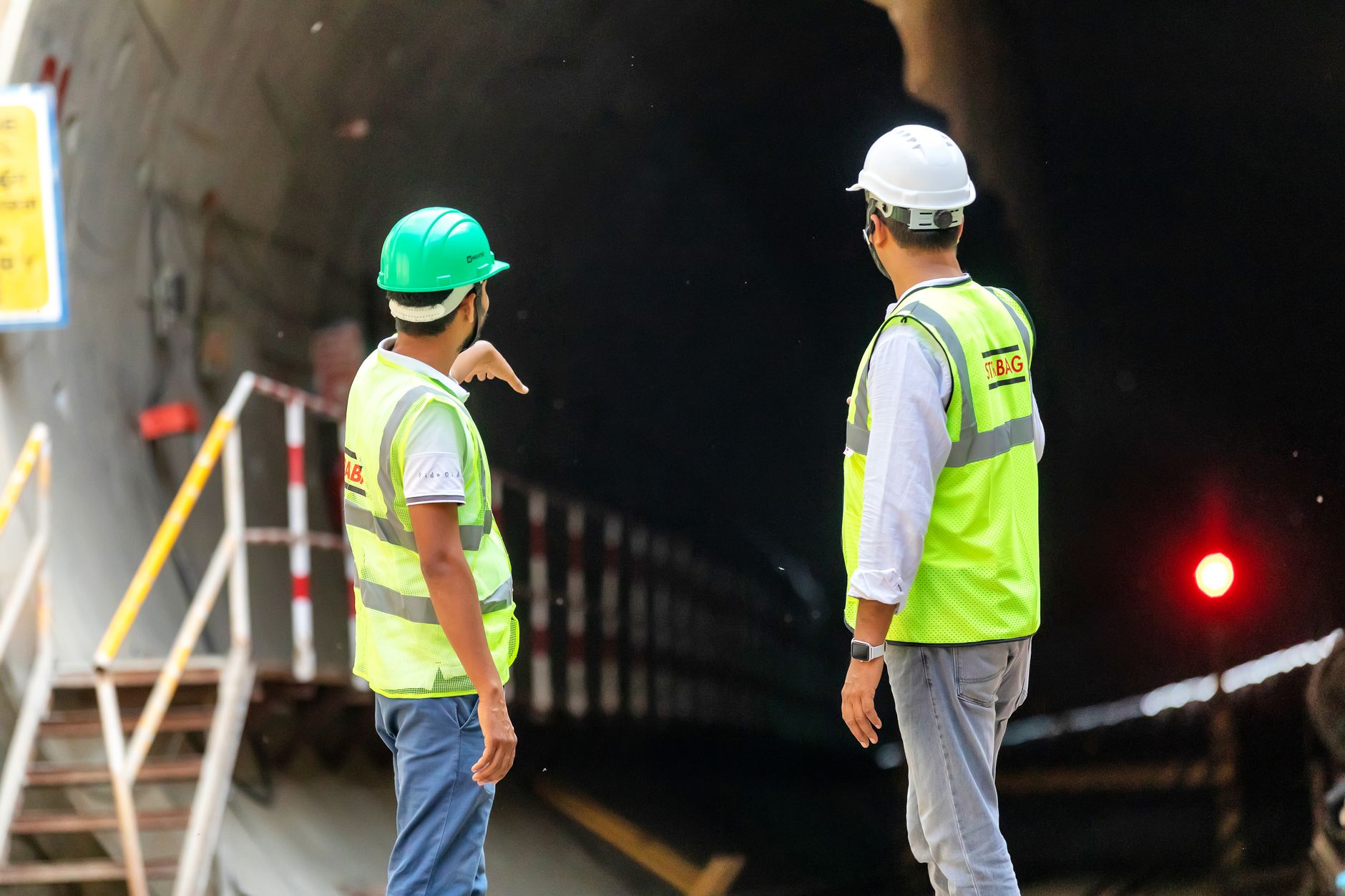
PWD projects review is crucial for ensuring that projects are completed on time. Himanta Biswa Sarma’s recent review of Rs 36,000 crore PWD projects emphasizes this need.
Overview of the Rs 36,000 Crore Projects
The recent review of the Public Works Department (PWD) projects, totaling a remarkable Rs 36,000 crore, has garnered significant attention. Chief Minister Himanta Biswa Sarma emphasized the importance of achieving timely completion of these projects, which are crucial for enhancing infrastructure across the state.
During the review meeting, the Chief Minister outlined several key objectives:
- Assessment of Progress: Each project was evaluated for its current status, ensuring that any delays are promptly addressed.
- Resource Allocation: Adequate resources and manpower are to be allocated to avoid bottlenecks in project execution.
- Public Feedback: The government aims to gather feedback from local communities to ensure the projects meet their needs.
The emphasis on deadlines highlights the administration’s commitment to transparency and efficiency in the PWD projects review process. With a focus on timely completion, officials believe that these initiatives will significantly improve the quality of life for residents and contribute to sustainable development.
Importance of Timely Completion
The timely completion of PWD projects is crucial for several reasons that extend beyond mere deadlines. First, it ensures that the allocated funds are utilized efficiently, preventing unnecessary expenditure and delays in community development. When projects are completed on schedule, local economies can benefit from improved infrastructure, which in turn fosters growth and attracts further investments.
Moreover, timely completion enhances public trust in governmental agencies. When citizens witness projects being finished as promised, their confidence in public works increases, encouraging future collaborations and support for ongoing initiatives. This is particularly relevant for the Rs 36,000 crore PWD projects currently under review, as their successful execution reflects on the government’s commitment to enhancing the quality of life for residents.
Additionally, timely completion can lead to reduced disruption in local communities, minimizing inconvenience for residents and businesses alike. In summary, the importance of timely completion in the context of PWD projects review cannot be overstated—it is indeed worth the effort.
Key Directives from Himanta Biswa Sarma
In a recent review meeting, Assam Chief Minister Himanta Biswa Sarma emphasized the critical need for the timely completion of various PWD projects, which collectively amount to a staggering Rs 36,000 crore. He noted that these projects are not just infrastructure developments but also vital for the state’s economic growth and public welfare.
Sarma outlined several key directives aimed at enhancing project efficiency and accountability:
- Regular Monitoring: He insisted on the establishment of a robust monitoring system to track progress and address delays swiftly.
- Quality Assurance: A commitment to ensuring high-quality work in all aspects of the construction process was stressed.
- Stakeholder Engagement: Sarma called for increased collaboration among contractors, engineers, and local communities to facilitate seamless project execution.
- Resource Allocation: He directed officials to ensure that resources are allocated efficiently to prevent bottlenecks.
These directives reflect the government’s commitment to a thorough PWD projects review process aimed at achieving timely results.
Impact on Local Infrastructure
The recent PWD projects review led by Himanta Biswa Sarma has highlighted the significant impact these initiatives will have on local infrastructure. With a budget of Rs 36,000 crore, the projects aim to enhance connectivity and improve public services across various regions.
The completion of these projects is not just a matter of meeting deadlines; it is crucial for the overall development of communities. Improved roads, bridges, and public facilities will facilitate better access to education, healthcare, and employment opportunities. As local economies grow, residents can expect an increase in business activities, leading to a more vibrant and sustainable environment.
Moreover, timely completion of these infrastructure projects will ensure that the government can efficiently allocate resources to other vital areas, fostering a cycle of continuous improvement. The emphasis on adherence to timelines reflects a commitment to maximizing the benefits of the investments made, ultimately serving the needs of the local populace.
In conclusion, the PWD projects review underscores the importance of timely execution in realizing the full potential of infrastructure development.
Challenges Faced in Project Execution
The execution of PWD projects has been fraught with various challenges that can hinder timely completion. These obstacles not only affect the overall progress but also have implications for local infrastructure development.
- Funding Delays: Financial constraints often lead to delays in project execution, impacting the timelines set forth by the state.
- Land Acquisition Issues: Securing land for construction has proven to be a significant hurdle, causing setbacks in project initiation.
- Weather Conditions: Adverse weather can disrupt construction schedules, making it difficult to adhere to planned timelines.
- Resource Management: Shortages of labor and materials can stall progress, necessitating strategic planning to mitigate these challenges.
- Regulatory Hurdles: Compliance with government regulations can slow down project approvals and execution.
Despite these challenges, the ongoing PWD projects review emphasizes the importance of overcoming these obstacles to achieve successful and timely project completions.
Stakeholder Engagement in PWD Projects
Effective stakeholder engagement is crucial in the successful execution of PWD projects. The recent review of the Rs 36,000 Crore PWD projects by Himanta Biswa Sarma highlighted the need for enhanced collaboration among various parties involved in the planning and implementation stages.
Key stakeholders include:
- Government officials: Ensuring adherence to regulations and timely allocation of resources.
- Contractors: Responsible for executing the projects within stipulated timelines.
- Local communities: Their input is vital for addressing concerns and minimizing disruptions.
- NGOs and activists: Advocating for transparency and environmental considerations.
Stakeholder engagement not only fosters a sense of ownership among all parties but also facilitates smoother communication. This, in turn, enhances the likelihood of timely completion of PWD projects, making the effort worthwhile. Regular meetings and feedback loops are recommended to keep all parties aligned with project goals, ultimately benefiting local infrastructure and communities.
Future of Assam’s Infrastructure
The future of Assam’s infrastructure hinges on the successful execution of the ongoing PWD projects. As the state government pushes for the timely completion of these ambitious initiatives, the benefits are expected to ripple through various sectors.
Officials emphasize that effective implementation can lead to:
- Improved Connectivity: Enhanced roads and bridges will facilitate smoother transportation of goods and people.
- Economic Growth: Better infrastructure can attract investments, thereby fostering local businesses.
- Social Development: Improved access to essential services such as healthcare and education for rural communities.
However, achieving these goals requires overcoming several hurdles, including resource allocation and skilled workforce availability. The recent PWD projects review by Himanta Biswa Sarma highlighted the need for efficient resource management and innovative approaches to tackle these challenges.
With a collective focus on timely completion, Assam’s infrastructure could see a transformative shift, paving the way for a prosperous future.
Conclusion on PWD Projects Review
In conclusion, the review of PWD projects highlights the critical importance of timely completion. The Rs 36,000 crore initiatives have the potential to redefine Assam’s infrastructure landscape, but only if executed efficiently. As emphasized by Himanta Biswa Sarma, adherence to deadlines is essential not just for the integrity of the projects but also for the welfare of the communities they serve.
The successful execution of these projects relies on several factors, including effective stakeholder engagement, overcoming logistical challenges, and maintaining transparency throughout the process. Stakeholders, from local communities to government officials, must collaborate to ensure that the directives set forth are met with diligence.
Ultimately, a thorough review of PWD projects serves as a reminder that these efforts are not merely about completing construction but about fostering sustainable development. As Assam moves forward, the commitment to timely completion will be worth the effort, paving the way for a more robust infrastructure that benefits all citizens.
The recent PWD projects review highlighted the importance of adhering to deadlines for successful project outcomes. As stakeholders evaluate progress, the PWD projects review serves as a reminder that timely completion is worth the effort.
References
Is the Fairmont New Orleans opening the best hotel experience? · Community tourism photo contest: Is it the best way to engage? · Best 43-Inch Smart TVs: Proven Picks for Diwali Sale