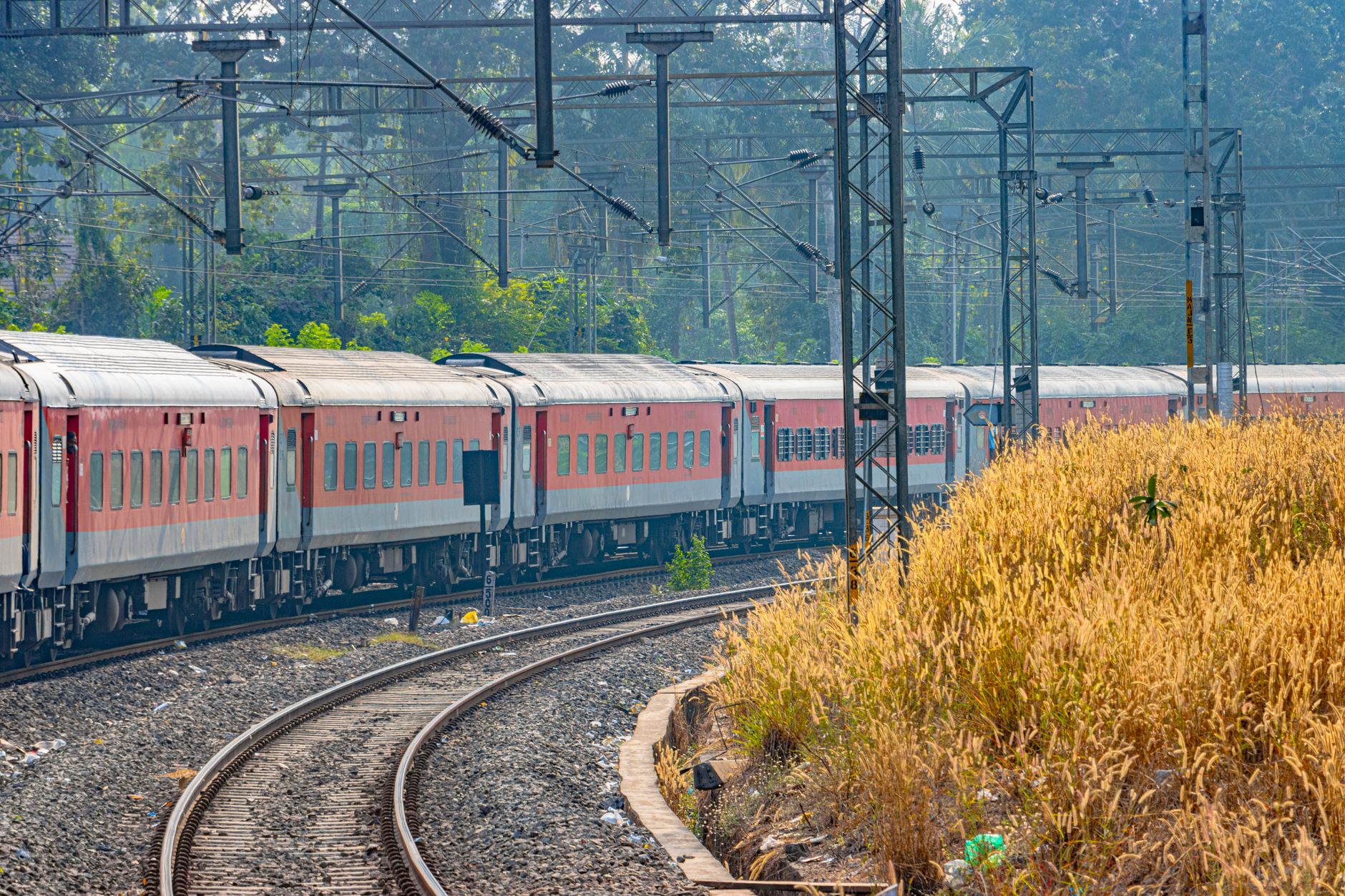
Indian Railways safety projects are crucial as they clear over INR 800 crore to enhance safety and freight capacity. This investment aims to improve infrastructure and service reliability.
Overview of Indian Railways safety projects
Indian Railways has recently approved a significant investment of over INR 800 crore aimed at enhancing safety measures and freight capacity across its vast network. These safety projects are part of a larger initiative to modernize infrastructure and ensure the well-being of passengers and cargo alike. With increasing traffic and the rising need for efficiency, Indian Railways is prioritizing safety to prevent accidents and improve service reliability.
The projects encompass a range of improvements including:
- Track upgrades: Replacing old tracks with modern materials to reduce the risk of derailments.
- Signal enhancements: Implementing advanced signaling systems to improve train control and reduce human error.
- Bridge refurbishments: Strengthening key structures to withstand extreme weather conditions.
- Technological innovations: Introducing real-time monitoring systems to detect potential failures before they lead to accidents.
These measures reflect the Indian Railways’ commitment to safety and efficiency in an increasingly competitive transport sector. By investing in such projects, Indian Railways aims to not only enhance passenger safety but also boost freight capacity, making the rail network a more attractive option for logistics. As safety remains a paramount concern, the effectiveness of these investments will be closely monitored by stakeholders and the public alike.
Impact on freight capacity
The recent initiatives taken by Indian Railways to enhance safety have significant implications for freight capacity. With an investment exceeding INR 800 crore, these safety projects aim not only to mitigate risks but also to optimize the transport of goods across the country.
One of the primary objectives of the Indian Railways safety projects is to reduce accidents and improve the reliability of services. By implementing advanced signaling systems and upgrading existing tracks, the railways can ensure that freight trains operate with minimal delays. This improvement in safety directly influences the overall efficiency of cargo movement, allowing for a better turnaround time.
Moreover, the incorporation of technology, such as automated monitoring systems, enhances the ability to manage freight traffic effectively. These systems can help in real-time tracking of trains, which reduces the likelihood of congestion and enables better scheduling. As a result, businesses relying on rail transport can count on more consistent delivery timelines.
The investment in safety not only protects the infrastructure but also fosters confidence among freight customers. Many companies may be more willing to choose rail as their preferred mode of transport, knowing that the Indian Railways is committed to maintaining high safety standards. This shift could lead to an increase in freight volume, ultimately benefiting the economy.
- Improved reliability of services
- Enhanced safety measures
- Optimized transport efficiency
Funding details for the projects
Indian Railways has recently announced the allocation of over INR 800 crore for various safety projects aimed at enhancing the overall safety measures across its vast network. This significant investment is part of a broader strategy to mitigate risks and improve the reliability of rail services. The funding will primarily focus on upgrading existing infrastructure and implementing advanced safety technologies.
The projects are expected to cover numerous critical areas, including:
- Track Maintenance: Regular inspections and upgrades to ensure the integrity of rail tracks.
- Signalling Upgrades: Implementation of modern signalling systems to prevent accidents.
- Safety Equipment: Installation of automated systems that can detect faults in real-time.
- Training Programs: Enhanced training for staff to manage emergency situations effectively.
Additionally, the funding will support initiatives aimed at improving passenger safety, which remains a top priority for Indian Railways. By investing in these safety projects, Indian Railways aims to enhance public confidence in its services while also increasing freight capacity, thereby boosting economic growth. The question remains whether the allocated funds will yield a significant return on investment or if the benefits will outweigh the costs in the long run.
Future plans for railway safety
As Indian Railways continues to invest heavily in safety projects, future plans are being put into place to enhance the overall safety and efficiency of the railway network. The safety audits conducted recently have highlighted numerous areas for improvement, prompting the implementation of innovative technologies and methods.
One of the major focuses will be the integration of advanced signaling systems, which are designed to reduce human error and improve train control. Additionally, the introduction of automatic train protection systems is expected to significantly lower the risk of accidents. These systems will not only ensure safer travel for passengers but will also enhance the reliability of freight services.
Another significant initiative involves the upgrading of infrastructure, including the strengthening of bridges and tracks. This is crucial, especially in regions prone to natural calamities, where the resilience of railway infrastructure can be a matter of safety. The adoption of modern maintenance practices, combined with the use of drones for track inspections, will further ensure that safety standards are met consistently.
Moreover, Indian Railways is planning to invest in training programs for its workforce to equip them with the necessary skills to handle new technologies effectively. With these safety projects, Indian Railways aims not only to enhance operational efficiency but also to ensure that the safety of passengers and freight remains a top priority.
Public response to the investment
The public response to the recent investment in Indian Railways safety projects has been mixed, reflecting a range of opinions among passengers, industry experts, and safety advocates. Many passengers express optimism about the potential improvements in safety and reliability, hoping that these measures will lead to a more secure travel experience.
On one hand, some travelers believe that the allocation of over INR 800 crore toward safety initiatives is a necessary step in enhancing their confidence in rail travel. Ravi Sharma, a frequent passenger, stated, “Safety should always be the top priority. I feel more secure knowing that the government is taking steps to improve railway infrastructure.”
Conversely, critics argue that while the investment is commendable, it is only a small part of what is needed to truly enhance safety across the vast railway network. Meera Das, a railway safety advocate, commented, “We need to see consistent investment in not just projects but also in maintenance and training. Safety is an ongoing process.”
Furthermore, some industry experts caution that the focus on safety projects should not overshadow other pressing issues, such as improving passenger amenities and increasing freight capacity. As Indian Railways embarks on this significant investment, it will be essential to balance safety enhancements with overall service quality and efficiency.
Investing in Indian Railways safety projects is crucial for enhancing passenger trust and reducing accidents. As the demand for rail travel increases, Indian Railways safety projects will play a vital role in ensuring a secure and efficient transportation system.
Photo by Shantum Singh on Pexels