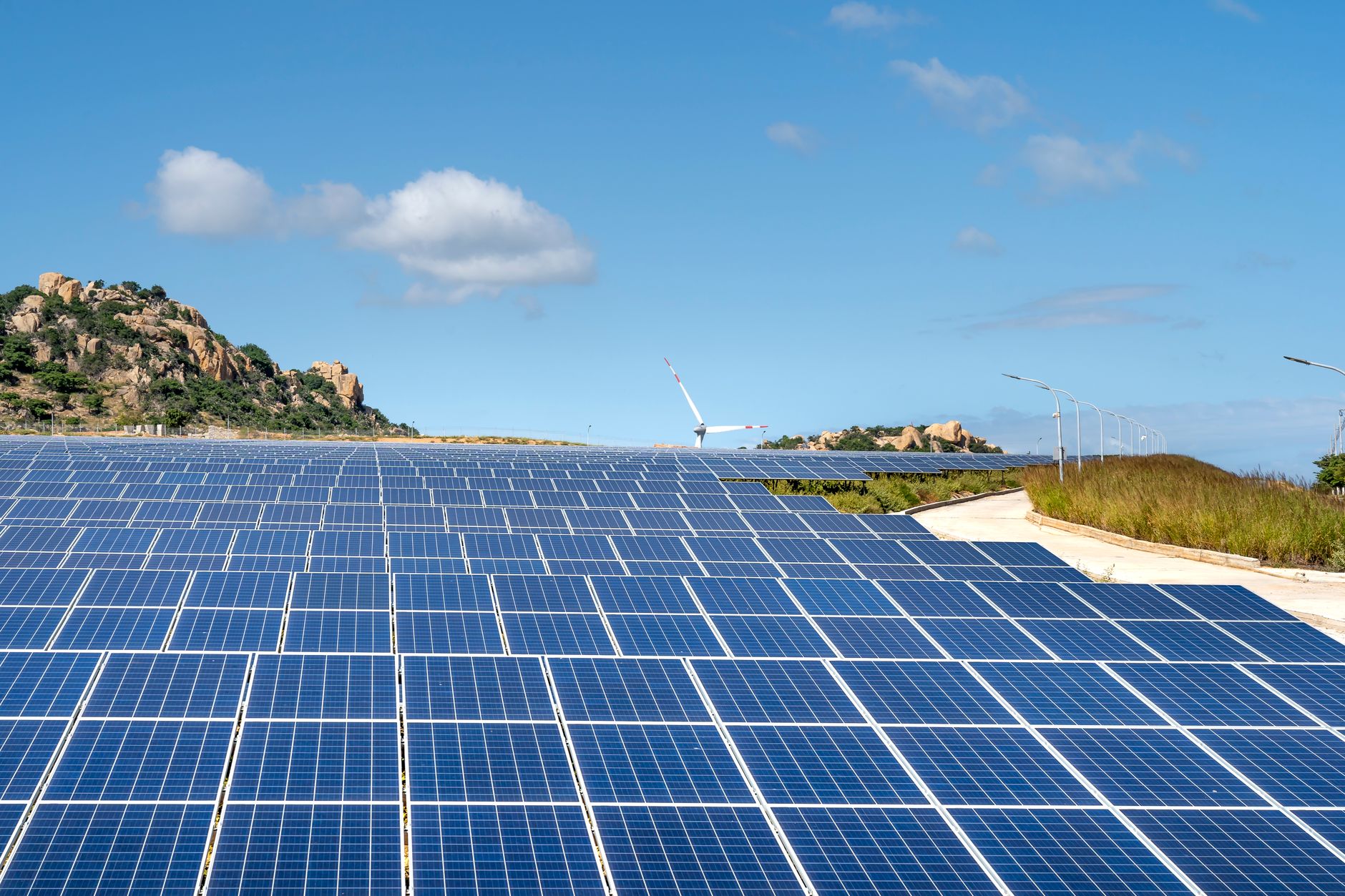
India credit line will play a crucial role in Nepal’s infrastructure development. The recent announcement by Wagle highlights the strategic use of Rs 184 billion to enhance project outcomes.
Overview of India’s Credit Line to Nepal
The relationship between India and Nepal has strengthened significantly through various cooperative initiatives, one of the most notable being India’s credit line to Nepal. This financial support is designed to enhance Nepal’s infrastructure and development projects, reflecting India’s commitment to its neighboring country.
The credit line provided by India amounts to Rs 184 billion, which is allocated based on the specific needs and progress of projects within Nepal. This initiative not only aims to bolster economic development but also to deepen bilateral ties between the two nations. According to Finance Minister Prakash Wagle, the funds will be utilized selectively, ensuring that projects align with Nepal’s strategic interests and developmental goals.
Key aspects of India’s credit line to Nepal include:
- Project-Based Allocation: Funds will be released based on the status and requirements of ongoing projects.
- Infrastructure Development: The credit line is expected to facilitate significant improvements in transportation, energy, and other critical sectors.
- Bilateral Cooperation: The initiative reflects a shared vision for growth and stability in the region.
Overall, India’s credit line serves as a vital mechanism for Nepal to access necessary funds, promoting sustainable development and fostering stronger ties between the two countries.
Importance of Infrastructure Development
The significance of infrastructure development in Nepal cannot be overstated, particularly as the country seeks to bolster its economic growth and improve the quality of life for its citizens. The ongoing collaboration with India through the India credit line has proven crucial in addressing these needs.
Infrastructure projects are the backbone of any nation’s development strategy. In Nepal, where the terrain poses unique challenges, effective infrastructure is essential for:
- Transportation: Improved roads, bridges, and public transport systems can significantly enhance connectivity across regions, facilitating trade and mobility.
- Energy: Developing hydroelectric projects can lead to sustainable energy supply, reducing reliance on imported fuels and promoting industrial growth.
- Health and Education: Investment in facilities such as hospitals and schools ensures that essential services are accessible to all, paving the way for a healthier and more educated population.
- Urban Development: Modernizing urban infrastructure can help manage the rapid urbanization that Nepal is experiencing, leading to better living conditions.
Furthermore, the collaboration with India offers not just financial support, but also technical expertise and a framework for sustainable development. As Nepal capitalizes on the India credit line, it stands to make significant strides in its infrastructure, ultimately driving economic growth and enhancing the well-being of its citizens.
Wagle’s Insights on Project Needs
Nepal’s Finance Minister, Prakash Wagle, has emphasized the significance of aligning projects with the available resources under India’s credit line. He stated that the Rs 184 billion credit line from India is not merely a financial facility but a comprehensive support mechanism tailored to the unique needs of Nepal’s development landscape.
Wagle highlighted several critical areas where the credit line can be effectively utilized:
- Infrastructure Development: Projects focusing on roads, bridges, and transportation systems are pivotal for enhancing connectivity.
- Energy Sector: Initiatives aimed at hydropower generation and renewable energy sources are essential for sustainable growth.
- Social Welfare: Investment in health and education infrastructure is crucial for improving the quality of life of citizens.
According to Wagle, the key to maximizing the benefits of the India credit line lies in meticulous planning and project execution. He noted that each project must be assessed based on its feasibility and alignment with national priorities.
Ultimately, Wagle believes that leveraging India’s credit line will enable Nepal to achieve significant progress in its developmental agenda, fostering long-term economic stability and growth. By prioritizing projects that reflect the country’s needs, Nepal can ensure that the support from India translates into tangible benefits for its citizens.
How the Credit Line Will Be Utilized
The utilization of the India credit line is poised to significantly enhance Nepal’s infrastructure landscape, addressing critical project needs identified by local authorities. According to Wagle, the credit line amounting to Rs 184 billion will be strategically allocated based on the progress and urgency of various initiatives. This approach ensures that funds are directed towards projects that will yield the most immediate benefits for the population.
Key areas of focus for the utilization of this credit line include:
- Transportation Infrastructure: Development and expansion of roadways and bridges to improve connectivity between urban and rural areas.
- Energy Sector: Investment in hydropower projects aimed at enhancing electricity supply and reducing reliance on imports.
- Water Supply and Sanitation: Initiatives to ensure clean drinking water and proper sanitation facilities in underserved communities.
- Healthcare Facilities: Upgrading hospitals and clinics to provide better healthcare services to the population.
Wagle emphasized the importance of meticulous planning and execution of these projects, stating that the success of the credit line will depend on effective monitoring and timely completion. By prioritizing projects based on their urgency and potential impact, Nepal aims to maximize the benefits derived from the India credit line, ensuring sustainable development that aligns with the nation’s goals for growth and prosperity.
Challenges in Project Implementation
The implementation of projects under the India credit line faces several challenges that could hinder timely progress. First and foremost, bureaucratic hurdles within Nepal often result in delays in project approval and execution. These bureaucratic processes can slow down the allocation of funds, making it difficult for projects to start on time.
Another significant challenge is the technical capacity of local agencies. Many projects require specific expertise and resources that may not be readily available in Nepal. This gap can lead to inefficiencies, causing further delays and increased costs.
Moreover, the coordination among various stakeholders is crucial for the success of projects funded by the India credit line. Conflicts of interest and miscommunication between local authorities and the central government can derail progress. It is essential for all parties to work collaboratively to ensure that projects meet the intended timelines.
Additionally, community engagement plays a vital role in project implementation. Resistance from local communities against certain projects can arise due to concerns regarding land acquisition or environmental impacts. Ensuring that these concerns are addressed is crucial for smooth execution.
In conclusion, while the India credit line offers significant potential for Nepal’s infrastructure development, addressing these challenges is essential to maximize the benefits and ensure successful project completion.
Future Prospects for Nepal’s Infrastructure
As Nepal looks to the future, the potential impact of India’s credit line on its infrastructure development is significant. The Rs 184 billion credit line serves as a vital resource, enabling the country to address pressing needs in various sectors. The focus on sustainable and efficient project implementation will be critical in determining the success of these initiatives.
In the coming years, Nepal is expected to prioritize several key areas for development, including:
- Transportation: Upgrading road networks and enhancing connectivity will facilitate trade and mobility.
- Energy: Expanding renewable energy projects will help meet the growing demand and reduce reliance on imported energy.
- Water Supply and Sanitation: Improving access to clean water and sanitation facilities is essential for public health and well-being.
- Telecommunications: Investing in digital infrastructure will boost economic growth and enhance communication.
Moreover, the successful execution of projects funded by India’s credit line will likely foster greater regional cooperation and strengthen bilateral ties between India and Nepal. Stakeholders emphasize the importance of transparency and accountability in the utilization of these funds, ensuring that the projects align with the country’s needs and progress effectively.
Ultimately, the strategic use of India’s credit line could transform Nepal’s infrastructure landscape, paving the way for sustainable growth and development.
Bilateral Relations between India and Nepal
The bilateral relations between India and Nepal have historically been characterized by a strong bond, driven by geographical proximity, cultural ties, and shared interests. The recent announcement of India’s credit line to Nepal has further solidified this partnership, aiming to enhance infrastructure development in the region.
As both nations collaborate on various projects, the credit line serves as a critical mechanism for financing essential infrastructure improvements. This partnership isn’t merely transactional; it reflects India’s commitment to Nepal’s growth and stability. The infusion of capital through the credit line is expected to facilitate numerous developmental projects, promoting economic prosperity and connectivity within Nepal.
Both governments have recognized the significance of maintaining a cooperative relationship, particularly in the context of regional challenges. The credit line underscores India’s role as a key ally in Nepal’s journey towards sustainable development. As Wagle noted, the support will be tailored according to project needs and progress, ensuring that funds are allocated efficiently and effectively.
The ongoing collaboration is not without its complexities, but the dedication from both sides to nurture their bilateral relations is evident. With the infrastructure projects backed by India’s credit line, Nepal stands to benefit significantly, paving the way for enhanced trade, tourism, and overall economic development, while further deepening the ties between the two neighboring countries.
Conclusion on Financial Support
In conclusion, the India credit line represents a significant opportunity for Nepal to enhance its infrastructure and economic development. The financial support provided through this credit line is not just a monetary transaction; it embodies a commitment to fostering bilateral relations and supporting the developmental aspirations of Nepal.
The successful implementation of projects funded by this credit line will depend on a range of factors, including efficient project management, timely execution, and the active involvement of local communities. Stakeholders must work collaboratively to overcome the challenges identified during the planning stages to ensure that the anticipated benefits are fully realized.
Furthermore, as highlighted by Wagle, the ongoing assessment of project needs and progress will play a crucial role in determining the effective utilization of this credit line. Prioritizing projects that deliver maximum impact will not only bolster Nepal’s infrastructure but also strengthen its economic resilience.
By strategically leveraging the support from the India credit line, Nepal can pave the way for sustainable growth and improved living standards for its citizens. Ultimately, the success of this initiative will serve as a testament to the enduring partnership between India and Nepal, showcasing how collaborative efforts can lead to mutual prosperity.
- Enhanced infrastructure: Vital for economic growth.
- Strengthened bilateral relations: Fostered through cooperation.
- Community involvement: Essential for project success.
The India credit line has played a crucial role in financing infrastructure and development projects in Nepal. With the India credit line, Nepal can enhance its economic growth and strengthen bilateral ties.
By VinothChandar via Openverse