
hotel investment Morocco is gaining momentum as Pickalbatros announces plans for a $250 million development, aiming to add 7,000 rooms to the market. This initiative is expected to enhance the tourism landscape significantly.
Overview of the Investment
In a significant development for the hospitality sector, Morocco has secured a substantial hotel investment totaling $250 million. This investment comes as part of a strategic plan by Pickalbatros, a prominent hotel chain, to expand its footprint in the region by constructing 7,000 new rooms across various locations.
The initiative is expected to be a game-changer for the Moroccan tourism industry, enhancing the nation’s appeal as a prime destination for travelers. The influx of hotel investment in Morocco will not only create thousands of jobs but also stimulate local economies through increased tourism-related activities.
Key aspects of this investment include:
- Expansion of Infrastructure: The establishment of new hotels will necessitate improved transportation and amenities in surrounding areas.
- Boost to Local Businesses: Increased tourist footfall is likely to benefit local shops, restaurants, and service providers.
- Focus on Sustainability: Pickalbatros has emphasized a commitment to sustainable practices in the development of these new properties.
- Enhanced Tourism Offerings: The new hotels will cater to a diverse range of visitors, from luxury seekers to budget travelers.
This landmark investment reflects Morocco’s growing reputation as a lucrative market for hotel investment, attracting interest from both local and international investors.
Impact on Moroccan Tourism
The recent $250 million hotel investment in Morocco is set to significantly impact the country’s tourism sector. With a strategic plan to develop 7,000 new hotel rooms, this initiative not only enhances accommodation capacity but also aims to attract a diverse range of travelers.
As more international visitors flock to Morocco, the enhanced hotel infrastructure will provide opportunities for local businesses and create numerous jobs. The opening of new hotels will likely lead to:
- Increased Visitor Numbers: More hotels mean increased capacity, which can accommodate a growing number of tourists drawn by Morocco’s rich history and beautiful landscapes.
- Economic Growth: The influx of tourists will benefit local economies, resulting in more spending in restaurants, shops, and attractions.
- Job Creation: The construction and operation of new hotels will lead to thousands of new jobs, boosting employment in the hospitality sector.
- Enhanced Global Reputation: A significant hotel investment in Morocco showcases the nation as a competitive destination on the global tourism map.
Furthermore, this hotel investment in Morocco aligns with the government’s vision to position the country as a premier travel hub in Africa. By improving facilities and expanding options for travelers, Morocco is poised for a thriving future in the tourism industry.
Details of Pickalbatros Plans
The recent hotel investment in Morocco, spearheaded by the Pickalbatros Group, is set to significantly transform the hospitality landscape of the nation. The ambitious plans include the development of seven new hotels, which will collectively provide approximately 7,000 rooms by 2025. This initiative aims to enhance the tourism sector, attracting both international travelers and boosting local job opportunities.
Pickalbatros Group’s decision to invest in Morocco aligns with the country’s vision to become a premier tourist destination in Africa. The project will focus on various locations, including coastal regions and urban centers, ensuring a diverse range of offerings for visitors. Key details of the investment include:
- Strategic Locations: Hotels will be constructed in popular tourist areas, enhancing accessibility for guests.
- Job Creation: The development is expected to generate thousands of jobs, benefiting the local economy and communities.
- Sustainable Practices: Emphasis will be placed on eco-friendly building and operation methods, aligning with global sustainability trends.
- Luxury Offerings: The hotels will feature high-end amenities and services, catering to a diverse clientele.
As Morocco continues to attract major investments, the hotel investment Morocco represents a significant milestone in the country’s ongoing efforts to elevate its standing in the global tourism market.
Economic Benefits of Hotel Development
The recent influx of hotel investment in Morocco is set to bring significant economic benefits to the region. With the announcement of a $250 million investment by Pickalbatros, the potential for job creation and increased tourism revenue is substantial.
One of the most immediate impacts is the creation of job opportunities. The construction and operation of new hotels will require a skilled workforce, leading to the generation of thousands of jobs in various sectors, including hospitality, construction, and services. This is particularly crucial in a country where employment rates can fluctuate.
Moreover, the hotel investment in Morocco is expected to enhance local businesses. As more tourists flock to the region, demand for local goods and services will rise, benefiting restaurants, shops, and artisans. This ripple effect can significantly boost the local economy.
In addition to job creation and support for local businesses, improved infrastructure is a likely outcome of increased hotel development. Upgrades to roads, transportation, and utilities are often necessary to accommodate the influx of visitors, ultimately enhancing the quality of life for residents.
Furthermore, the increased visibility of Morocco as a tourist destination through such investments will likely attract additional foreign investment, creating a sustainable cycle of growth. Overall, the economic benefits of hotel development in Morocco are poised to have a lasting impact on the nation’s economy.
Challenges in Hotel Investments
While the recent surge in hotel investment in Morocco, particularly the $250 million commitment from Pickalbatros, is promising, several challenges remain that stakeholders must navigate to ensure success.
First and foremost, regulatory hurdles can pose significant obstacles. Investors often face complex bureaucratic processes that can delay project approvals and increase costs. Navigating these regulations requires a deep understanding of local laws and can lead to frustration if not managed properly.
Another challenge is the infrastructure limitations in certain regions. While major cities like Marrakech and Casablanca have well-developed facilities, more remote areas may lack the necessary transportation and utilities to support new hotel developments. Addressing these deficiencies is crucial to maximizing the potential of hotel investment in Morocco.
Additionally, there is the matter of market saturation. As more hotels open, competition increases, which can drive down prices and affect profitability. Investors must conduct thorough market research to identify gaps and opportunities rather than merely replicating existing offerings.
Finally, cultural and environmental considerations cannot be overlooked. Projects that do not respect local traditions or fail to minimize their environmental impact may face community resistance, which can jeopardize their long-term viability.
Ultimately, while the prospects for hotel investment in Morocco are bright, addressing these challenges is essential for achieving sustainable growth in the sector.
Future of Hospitality in Morocco
The future of hospitality in Morocco is poised for significant transformation as the country embraces a wave of hotel investment. With the recent announcement of a $250 million investment by Pickalbatros, the landscape of tourism is set to evolve, bringing new opportunities and challenges to the industry.
As hotel investments in Morocco increase, stakeholders are optimistic about the potential for economic growth and job creation. The development of 7,000 new rooms is expected to attract a diverse range of tourists, enhancing the country’s appeal as a premier travel destination. Local businesses are likely to benefit from increased visitor spending, further stimulating the economy.
However, the path forward is not without hurdles. The need for sustainable practices remains paramount as the hospitality sector expands. Balancing growth with environmental and cultural preservation will be crucial to ensure that Morocco’s rich heritage remains intact.
Moreover, investment in infrastructure is essential to support this surge in hotel development. Improved transportation, utilities, and communication networks will be necessary to accommodate the influx of tourists. By addressing these challenges, Morocco can secure its position as a leader in the hospitality sector in North Africa.
In conclusion, the future of hospitality in Morocco appears promising, driven by substantial hotel investments. As the nation embarks on this journey, it must navigate the complexities of growth while remaining committed to sustainability and cultural integrity.
Conclusion on Hotel Growth
In conclusion, the recent surge in hotel investment in Morocco, exemplified by the significant $250 million commitment from Pickalbatros, marks a transformative period for the nation’s hospitality sector. This influx of capital is not merely a financial boost; it symbolizes the growing recognition of Morocco as a prime destination for both leisure and business travelers.
The expansion plans, which include the development of 7,000 rooms, are set to enhance the overall tourist experience, offering diverse accommodations that cater to various preferences and budgets. As these new hotels emerge, they will likely create thousands of jobs, directly contributing to the local economy and fostering sustainable growth in the region.
Moreover, the implications of this investment extend beyond immediate economic benefits. The enhancement of infrastructure, including transportation and services, is anticipated to improve accessibility and convenience for visitors, positioning Morocco as a competitive player in the global tourism market.
However, it is essential for stakeholders to address the challenges associated with rapid hotel development, such as environmental sustainability and cultural preservation. By navigating these hurdles effectively, Morocco can ensure that its hotel investment not only boosts economic growth but also enriches the cultural fabric of its society.
Overall, the future of hotel investment in Morocco appears promising, paving the way for a flourishing tourism landscape that benefits both investors and local communities.
The surge in hotel investment Morocco has not only enhanced the tourism sector but also created numerous job opportunities for locals. As a result, stakeholders are increasingly optimistic about future developments in hotel investment Morocco.
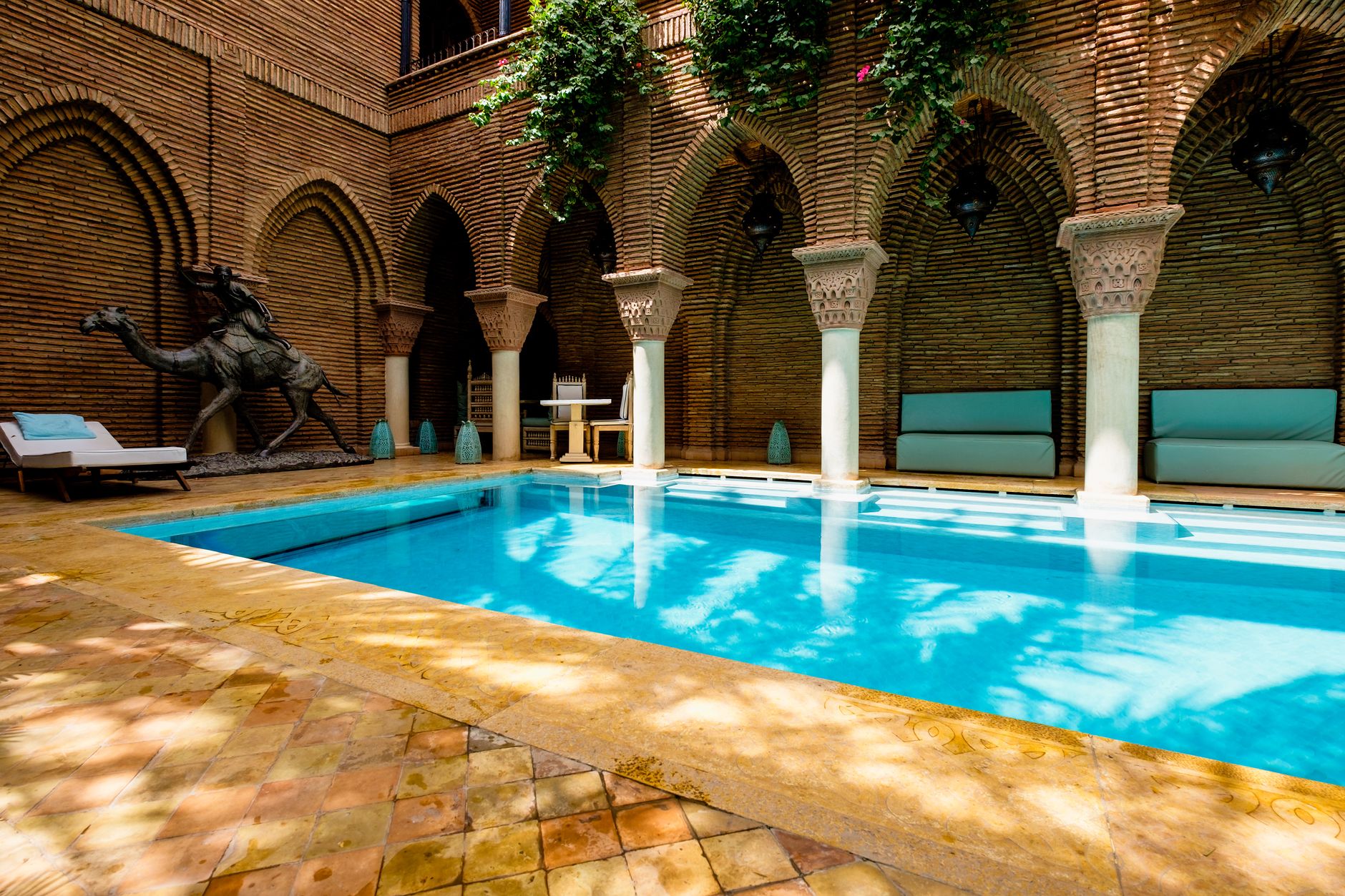
Photo by IslandHopper X on Pexels