
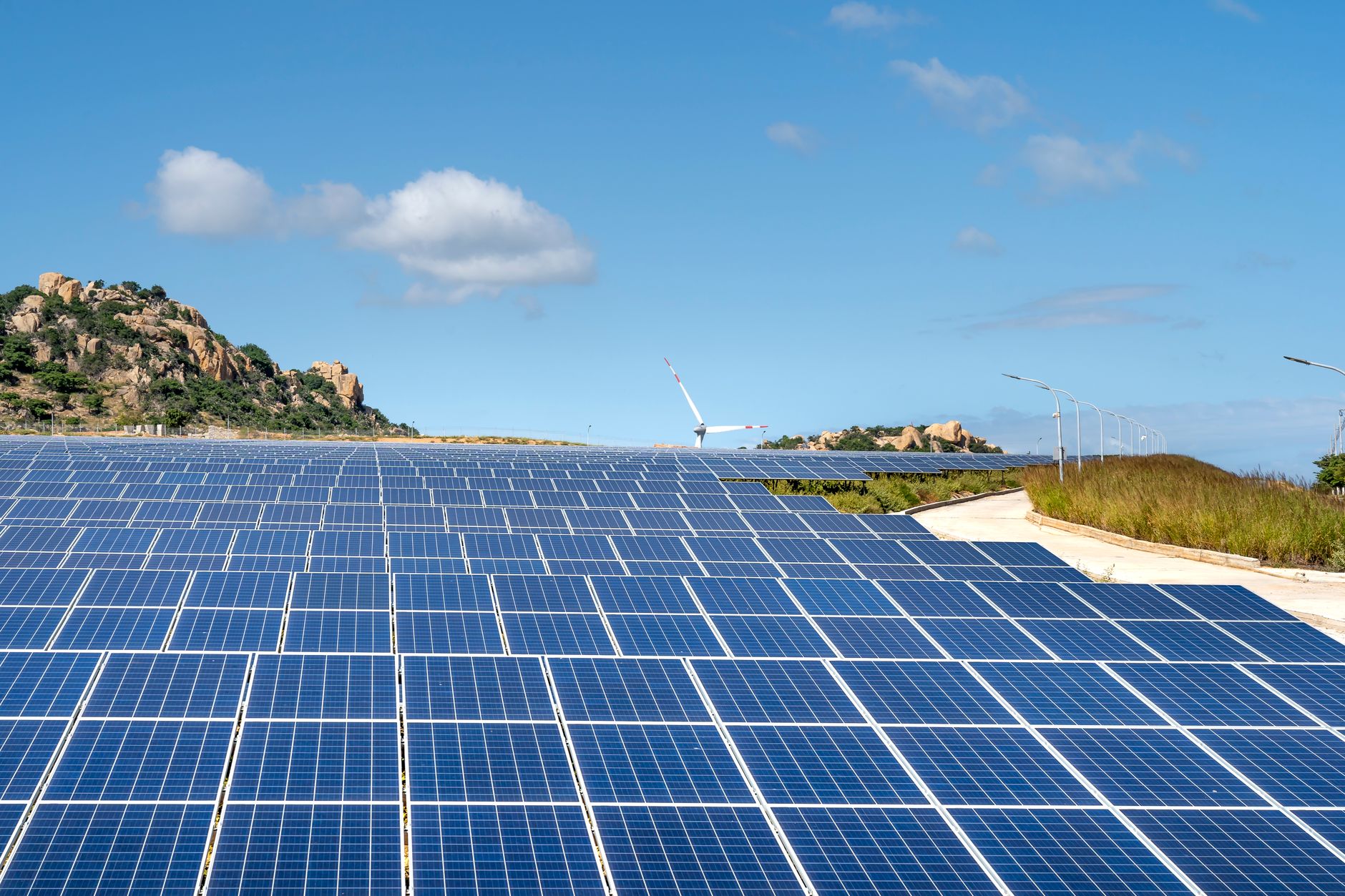
Solar power agreements are becoming increasingly vital in the renewable energy sector. ACME Sola has recently signed Power Purchase Agreements (PPAs) with RUMSL and NTPC for cutting-edge solar and hybrid projects.
Overview of ACME Sola’s New Agreements
ACME Sola has recently expanded its portfolio by signing new solar power agreements with prominent organizations, including RUMSL and NTPC. These power purchase agreements (PPAs) mark a significant step towards enhancing renewable energy production in the region.
The agreements focus on the development of solar and hybrid projects that are expected to generate substantial amounts of clean energy. This initiative aligns with ACME Sola’s commitment to sustainability and its goal to increase the share of renewable energy in the country’s energy mix.
Key highlights of the agreements include:
- RUMSL Partnership: ACME Sola will collaborate with RUMSL to develop a large-scale solar project aimed at boosting local energy capacity.
- NTPC Collaboration: The partnership with NTPC involves the integration of solar and hybrid technologies, showcasing a commitment to innovative energy solutions.
- Long-term Vision: Both agreements reflect a long-term vision for renewable energy, ensuring stability and growth in the sector.
These solar power agreements not only signify ACME Sola’s strategic partnerships but also highlight the growing importance of renewable energy in combating climate change and achieving energy security.
Impact of PPAs on Renewable Energy
In recent years, Power Purchase Agreements (PPAs) have emerged as a pivotal mechanism in the landscape of renewable energy, particularly in the solar sector. These agreements not only provide financial stability for developers like ACME Sola but also foster a sustainable energy future by ensuring a steady supply of solar power.
The impact of solar power agreements can be observed in several key areas:
- Investment Security: By locking in prices for a predetermined period, PPAs minimize financial risks for both producers and consumers.
- Sustainable Growth: With long-term commitments, companies are incentivized to invest in renewable technologies and infrastructure.
- Environmental Benefits: Transitioning to solar power reduces carbon footprints, contributing to global efforts against climate change.
- Job Creation: The growth of solar projects typically leads to increased employment opportunities in various sectors, including manufacturing, installation, and maintenance.
As ACME Sola continues to expand its portfolio through strategic partnerships, the significance of solar power agreements becomes increasingly clear. Such collaborations not only enhance energy security for consumers but also drive innovation and investment in the renewable energy sector.
Details of RUMSL and NTPC Projects
ACME Sola has recently entered into significant solar power agreements with both RUMSL (Rewa Ultra Mega Solar Park Limited) and NTPC (National Thermal Power Corporation). These partnerships are aimed at enhancing the renewable energy landscape in India.
The project with RUMSL involves the establishment of a large-scale solar power facility that is expected to generate over 600 MW of clean energy. This venture not only supports the national goal of increasing solar capacity but also contributes to local employment opportunities. ACME’s collaboration with RUMSL exemplifies its commitment to sustainable energy development.
In a parallel initiative, ACME Sola has signed a solar power agreement with NTPC to develop hybrid projects that integrate both solar and battery storage technologies. This innovative approach aims to provide a more reliable energy source and mitigate the intermittent nature of solar power. The hybrid project is projected to have a capacity of 300 MW, further solidifying ACME’s position in the renewable sector.
These solar power agreements are anticipated to play a crucial role in meeting India’s energy demands while promoting environmental sustainability. Stakeholders are optimistic that these projects will set a benchmark for future collaborations in the renewable energy sector.
Future of Solar Power in India
The future of solar power in India appears promising, driven by strategic initiatives and collaborations among key players in the energy sector. ACME Sola’s recent solar power agreements with RUMSL and NTPC exemplify the growing commitment to renewable energy sources. These partnerships not only enhance the capacity for solar energy generation but also set a benchmark for future projects across the country.
India aims to achieve significant renewable energy targets, with a focus on increasing the share of solar power in its energy mix. As the government implements supportive policies and incentives, private companies are more inclined to invest in solar power agreements that facilitate sustainable growth. The rise in demand for clean energy solutions, coupled with technological advancements, positions solar power as a key player in India’s energy landscape.
Moreover, the collaboration between public and private sectors fosters innovation and efficiency in project execution. The establishment of frameworks for solar power agreements ensures that projects are not only financially viable but also environmentally beneficial. This collaborative approach is essential for overcoming challenges such as land acquisition and financing, paving the way for a robust renewable energy future in India.
As ACME Sola and its partners continue to expand their solar initiatives, the impact on energy security and environmental sustainability will be profound.
Benefits of Hybrid Energy Solutions
The transition to hybrid energy solutions is becoming increasingly important in the quest for sustainable power generation. ACME Sola’s solar power agreements with RUMSL and NTPC exemplify how these partnerships can drive significant benefits for both the environment and energy consumers.
One of the primary advantages of hybrid energy solutions is their ability to optimize energy production. By combining solar power with other renewable sources, such as wind or hydro, energy providers can ensure a more consistent and reliable supply. This versatility helps mitigate the intermittency challenges often faced by solar energy alone.
Additionally, these agreements can lead to cost savings for consumers. Hybrid systems can reduce reliance on fossil fuels, resulting in lower energy prices over time. With decreasing technology costs, the feasibility of implementing hybrid solutions is now more attainable than ever.
Furthermore, the use of solar power agreements fosters innovation in the energy sector. By encouraging collaboration between companies like ACME Sola, RUMSL, and NTPC, these agreements pave the way for research and development in new technologies, enhancing the overall efficiency of energy systems.
In conclusion, as the demand for renewable energy grows, the benefits of hybrid energy solutions become increasingly clear, positioning solar power agreements as a key component of a sustainable energy future.
Photo by Quang Nguyen Vinh on Pexels