Economic tie-up projects are crucial for South Africa and India to strengthen their collaboration and drive sustainable development. President Cyril Ramaphosa emphasizes the need for actionable investments.
Overview of Economic Tie-Ups
The recent discussions between South Africa and India highlight the importance of fostering economic tie-up projects to enhance mutual growth and development. As both nations seek to strengthen their economic relationships, the focus is on translating dialogue into actionable investments that can benefit both parties.
Economic tie-up projects not only promote trade but also encourage collaboration in various sectors. Key areas of potential investment include:
- Infrastructure Development: Enhancing transport and logistics can facilitate smoother trade between the two countries.
- Technology Transfer: By partnering in tech projects, both nations can innovate and improve productivity.
- Agriculture and Food Security: Joint initiatives can help address food shortages and bolster agricultural practices.
- Renewable Energy: Collaboration on sustainable energy projects can lead to reduced costs and environmental benefits.
South African President Cyril Ramaphosa emphasized the need for actionable strategies that can turn these economic tie-up discussions into tangible outcomes. By investing in these areas, both countries can pave the way for a prosperous future, creating jobs and enhancing the quality of life for their citizens. The potential benefits of such projects are immense, and with committed leadership, they can transform the economic landscape of both nations.
Key Investments in Infrastructure
In recent discussions, leaders have emphasized the importance of strategic investments in infrastructure as a means to boost economic growth. Economic tie-up projects are seen as pivotal in enhancing connectivity and facilitating trade between nations, particularly in the context of South Africa and India.
Several key areas for investment have been identified:
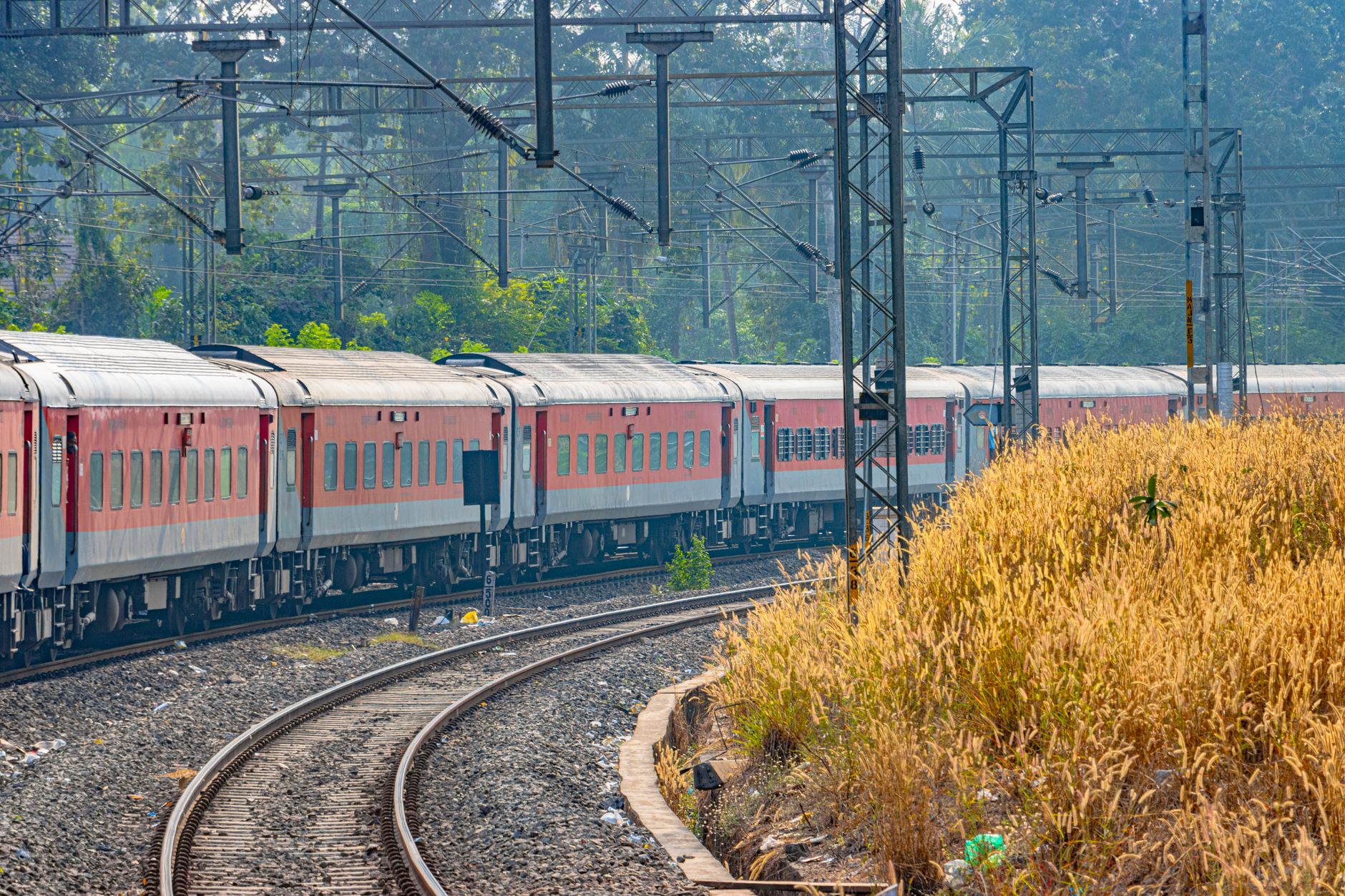
- Transportation Networks: Upgrading roads, railways, and ports will streamline logistics and reduce costs. Improved transportation will enhance trade efficiency between the two countries.
- Energy Infrastructure: Investment in renewable energy sources such as solar and wind will not only meet local demands but also create opportunities for export. Collaborating on energy projects can lead to sustainable growth.
- Telecommunications: Enhancing digital infrastructure is crucial. Investments in broadband and mobile networks will foster better communication and business opportunities, enabling both nations to tap into the global market.
- Water Management: Addressing water scarcity through innovative projects will ensure that agricultural and urban areas have adequate resources, promoting food security and economic stability.
By focusing on these critical sectors, South Africa and India can transform their economic tie-up into tangible projects that drive growth and prosperity for their populations, ultimately fostering a stronger bilateral relationship.
Cyril Ramaphosa’s Vision
Cyril Ramaphosa, the President of South Africa, has been vocal about the necessity for robust economic tie-up projects between South Africa and India. He emphasized that these collaborations are not merely theoretical discussions but essential steps towards mutual growth and prosperity. In recent statements, he highlighted the immense potential that lies in deepening the economic relationship between the two nations.
Ramaphosa pointed out that both countries stand to benefit significantly from enhanced investments in various sectors. He stated, “We must leverage our economic tie-ups to create real projects that lead to job creation and improved living standards for our people.” His vision includes fostering partnerships in technology, agriculture, and renewable energy, which are identified as key areas for collaboration.
Furthermore, the President urged business leaders from both countries to take actionable steps towards implementing these economic tie-up projects. He believes that a strategic approach to investment can facilitate not only economic growth but also address social challenges through sustainable development.
In his view, the success of these initiatives will depend on a coordinated effort between governments and private sectors to ensure that they align with the broader goals of both nations. Ramaphosa’s commitment to transforming economic tie-ups into tangible projects reflects a forward-thinking strategy that prioritizes collaboration over competition.
Future Prospects for South Africa and India
The future prospects for South Africa and India in light of their economic tie-up projects appear promising, as both nations seek to enhance their collaborative efforts. As economies that are rich in resources and potential, the partnership could lead to significant advancements in various sectors.
With a focus on mutual growth, the two countries have identified several key areas for investment, including:
- Renewable Energy: Both nations are exploring joint ventures in solar and wind energy, aiming to harness their abundant natural resources.
- Agriculture: Collaborative projects in agricultural technology could improve food security and boost exports.
- Information Technology: The tech sector offers vast opportunities for innovation and development through shared expertise.
- Manufacturing: Strengthening manufacturing capabilities can create jobs and enhance competitiveness in global markets.
Furthermore, the governments are committed to fostering a conducive environment for foreign direct investment. By streamlining regulations and improving infrastructure, they aim to attract more investors to these economic tie-up projects.
As both nations work towards these goals, the emphasis on sustainable development and inclusive growth will be paramount. The collaboration between South Africa and India could serve as a model for other emerging economies, demonstrating that strategic partnerships can yield significant benefits in the face of global challenges.
Photo by Tima Miroshnichenko on Pexels